
Quick answer: Character-driven short story collections are books where each story is powered by who a person is and how they change, not by external plot or action. The best ones center ordinary lives, favor psychological depth over high-concept premises, and reward slow, attentive reading. This guide explains what the term really means and points to quiet, introspective collections where character comes first.
- What character-driven fiction actually means
- Why some readers prefer character over plot
- What separates a character-driven collection from a merely quiet one
- The collections that put character first
- A collection where character is everything
- How to keep finding books like these
- Where to start with Gene Altman’s stories
Readers who love character-driven short story collections tend to describe the same feeling, the sense of having genuinely known a person by the last page. This guide is written for that reader. It defines the form in plain terms, explains its appeal, sets out a simple filter you can use in a bookshop, and names real collections where character, not plot, carries every story.
What does character-driven fiction actually mean?
Character-driven fiction means the story moves because a person changes, not because events pile up outside them. The engine is interior, a shift in understanding, a decision made or avoided, a small act of courage or failure, rather than a chase, a crime to solve, or a high-concept premise. Plot still happens in these stories, sometimes quite a lot of it, but every event exists to reveal the person at the center. The pleasure, for the reader, is the slow and teased reveal of an interior life.
Most guides that define this term are written for authors rather than readers. Craft resources such as Jericho Writers, Scribophile, and NY Book Editors explain character-driven versus plot-driven writing carefully, complete with structure diagrams, but they address people building stories, not people choosing what to read on a given evening. For a reader, the definition can be simpler and more useful. Ask yourself what you remember a week after finishing a book. If you mostly remember a twist or an outcome, the book was plot-first. If you mostly remember a person, the book was character-first.
A quick example shows the difference. In a plot-driven story, a character finds a letter and the question becomes what the letter will trigger next. In a character-driven story, the same character finds the same letter, and the question becomes who she is now that she has read it. The letter is identical. The location of the drama is not. One story points outward at consequences, the other points inward at a person.
I spent 42 years as a practicing psychiatrist, and I have come to read character much the way I once listened to a patient, as an interior state under pressure. Character-driven fiction works on that same principle. It watches how an ordinary person thinks and feels when life presses on them, a loss, a temptation, a long marriage, an aging parent, and it trusts that the pressure itself is the story. Nothing needs to explode. A person under quiet strain is already dramatic.
How is it different from a plot-driven story?
A plot-driven story moves on external events, and a character-driven story moves on internal change. A thriller, a mystery, or an adventure keeps asking what happens next. Quiet literary fiction keeps asking who this person is becoming. Both kinds of book can be excellent, and many great novels do both at once. The difference is simply where the momentum lives, outside the character or inside them.
A quick self-test helps you choose. If you want to turn pages to find out the outcome, reach for plot. If you want to sit inside a person’s mind and feel a life shift by inches, reach for character. Readers of quiet literary fiction usually want the second experience, and short story collections deliver it in an unusually concentrated form, one whole interior life resolved in twenty pages rather than four hundred.
Why do some readers prefer character over plot?
Some readers prefer character over plot because recognition moves them more deeply than suspense. A well-drawn person on the page can feel truer than people they meet in daily life, and that flash of recognition, the sense of having genuinely known someone, is its own reward. These readers are not bored by quiet. They are drawn to it, because quiet is precisely where a human being becomes visible, without the noise of a high concept to distract from the person.
This reader is easy to describe once you say it plainly. She is often tired of plot-heavy books that resolve neatly and leave nothing behind. He is frequently a book-club reader who wants a character worth arguing about at the table. Many are lifelong readers who have simply reached the point where twists feel mechanical and interior truth feels rare and valuable. Recommendation listicles rarely name who they are for, which forces this reader to guess whether a given list matches their taste. This guide names it directly. If you read to understand people, these books are for you.
There is also a social dimension to this preference. Character-driven stories give readers something to talk about that is not a spoiler. You cannot ruin a plot twist for a friend if the book was never about the twist, so these collections travel well through book clubs and through quiet recommendations between people who trust each other’s taste. The conversation becomes about the person on the page, why she made that choice, whether he ever really changed, and that conversation is often the reason the book is remembered at all.
In four decades of clinical work, I learned that the most ordinary life, examined closely enough, holds more drama than any invented catastrophe. Fiction about how ordinary people think and feel under pressure is where genuine recognition lives. That is the quiet pull of character over plot. It is not a lack of stakes. It is stakes relocated, from the outside world to the inside of a person, where they are harder to see and, once seen, harder to forget.
What makes a short story collection character-driven and not just quiet?
A short story collection is character-driven, not merely quiet, when interior change is the engine of each story and one central consciousness carries it. Quiet describes the volume of a book, its restraint and its lack of spectacle. Character-driven describes the source of its movement. The strongest character-driven short story collections are both quiet and character-first, yet the two qualities are not the same thing, and a reader can check for the difference on the page before buying.
Here is the practical filter to carry into a bookshop or a product page. Look for psychological depth rather than a high-concept hook. Look for ordinary lives, a teacher, a widower, a daughter home for a funeral, a man revisiting the town he left, rather than heists, disasters, or elaborate premises. Look for interior change as the payoff, a person who ends the story altered in some quiet, permanent way. Look for one central consciousness per story, a single mind the reader lives inside from first line to last. When most of a collection passes those four tests, it is character-driven.
Apply the filter to a single opening and it becomes second nature. Read the first two pages of a story and ask whose mind you are in and whether that mind is changing. If you are already inside one person, watching them notice and reconsider and quietly decide, the collection is character-driven. If you are being set up for a situation, a mystery, or a clever premise, it is something else, and there is nothing wrong with that, it is simply a different reading experience than the one this guide is about.
This filter matters because two common kinds of lists blur it. Quiet-novel roundups, such as the ones Modern Mrs Darcy publishes, mix quiet with character-driven and often recommend novels rather than story collections, which misses the exact thing a short-story reader is searching for. Broad short-story hubs, such as the Penguin Random House and Reedsy roundups, gather excellent stories without ever filtering for the character-first quality. The form itself has a name worth knowing, interior realism, the long short-story tradition that treats a single consciousness as enough to build an entire story on.
The collections that put character first
These are real, verifiable character-driven short story collections where character carries every story, chosen for psychological depth, ordinary lives, and interior change rather than for setting or the year they were published. Each one rewards slow, attentive reading, and each stands on its own as a place to begin. Read one story, not the whole book, and see whether the person stays with you.
- Alice Munro, Dear Life. Munro follows ordinary lives, often in small-town Canada, across the long years that quietly decide a person. Her stories turn on a single remembered choice, and the real change is always interior.
- Anton Chekhov, the short stories. Chekhov built the modern character-first story, and pieces such as The Lady with the Dog and Gooseberries move on recognition rather than plot. Almost nothing large happens, and everything important does.
- William Trevor, After Rain. Trevor writes quiet Irish and English lives with unusual tenderness and precision. His characters are ordinary people carrying private disappointments that surface a sentence at a time.
- Andre Dubus, Dancing After Hours. Dubus writes working people in New England with moral seriousness and deep interiority. His stories sit with grief, faith, and longing without rushing any of them toward a tidy end.
- Tobias Wolff, In the Garden of the North American Martyrs. Wolff writes flawed, self-deceiving people so honestly that the reader keeps recognizing themselves. The drama is entirely internal, a person finally meeting the truth about who they are.
These five are anchors, not a closed list, and they share one quality above all. Every collection here is organized around who a person is rather than what happens to them, which is exactly what the character-first reader is looking for. Readers who want a longer reading path can start with our companion guide, if you love Alice Munro, and read outward from the writers she loved to the writers who carry her tradition now.
What to look for on the page before you buy
Before you buy, read the jacket copy and a review or two for a handful of specific words, because the character-first quality almost always shows up in the language other people use to describe a book. Learning to spot those words lets you keep finding collections long after any single list runs out, which is the difference between a one-time recommendation and a lasting reading habit.
Watch for words like psychological, interior, quiet, and closely observed, and for phrases like ordinary lives and a life in miniature. Notice whether the description promises a premise, a hook, a twist, a concept, or a person, a life, a mind, a change. Skim a single review and ask whether the reviewer mostly remembers events or mostly remembers a character. That one cue, event versus person, tells you almost everything you need to know about where a book’s momentum lives, and it rarely misleads.
A collection where character is everything
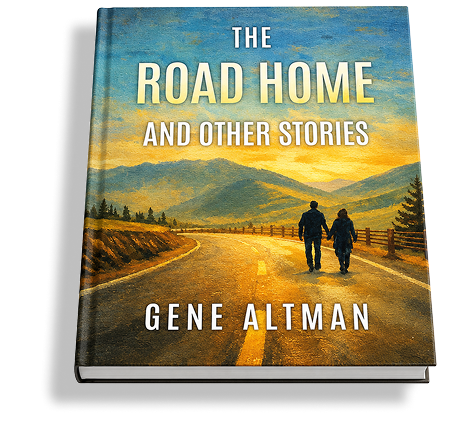
The Road Home and Other Stories belongs in this company, a collection where character is everything. The Road Home and Other Stories gathers 18 stories that follow ordinary people through adversity, loss, and the search for belonging. Published by Manhattan Book Group, it is set across six American states and two foreign countries, and every story lives inside one person’s interior world rather than a plot laid on top of them.
I wrote these stories as a practicing psychiatrist of 42 years, and that clinical background shapes how each character is drawn. You can read more about the path from clinical and forensic practice to fiction on the page for a practicing psychiatrist who writes fiction. Years of listening closely to people taught me to render an interior life with care rather than spectacle, and that is the same discipline the collections above all share. The goal is never to explain a person. It is to let the reader sit with them.
Several of these stories touch mental illness, and they treat it as one part of a whole person rather than a diagnosis or a plot device. That choice places the book closer to the tradition of short stories that understand mental illness than to fiction that reaches for shock. Where a character struggles, the story stays with the person and trusts the reader to meet them there. If any of these themes touch your own life, please know that support exists, and good fiction can sit beside that, never in place of it.
Tie this back to the definition we started with. If character-driven fiction is a story powered by who a person is and how they change, then a collection of 18 such stories, each built on a single interior life, is that form at full strength. That is the reading experience The Road Home and Other Stories is designed to offer, one quiet, complete life at a time.
How do you find more books like these?
You find more character-driven collections by following the realist short-story tradition, using the jacket-and-review cues above, and reading read-alike guides rather than generic best-of lists. The method is repeatable, which matters more than any single title, because it means you never have to depend on one recommendation again. Once you can recognize the form, the whole tradition opens up in front of you.
Start from an author you already love and read outward in both directions. If Munro is your touchstone, read the writers she admired and the writers who now write in her key. Trace a collection you loved back to its influences, then forward to its inheritors. Search for the specific words that signal the form, interior, psychological, ordinary lives, closely observed, rather than broad terms like good books or must-read. Read a read-alike post that explains why two writers belong together, not merely a list that names them side by side, because the reasoning is what teaches you to keep choosing well.
Book clubs are a quiet engine here too. A group that discusses character rather than plot will surface titles no algorithm suggests, because its members recommend the books that genuinely stayed with them. Follow those recommendations closely. They tend to be character-first by their very nature, since a book has to be built on a person before a room full of readers can argue about who that person really was.
Where to start with Gene Altman’s stories
A good place to start is a single story rather than the whole book. The Road Home and Other Stories is built so that any one of its 18 stories can stand entirely on its own, which makes it easy to sample before you settle in for the collection. Read one on a quiet evening, with nothing else competing for your attention, and notice whether the person at its center stays with you afterward.
Explore the collection and, if it speaks to you, join the reader list for what comes next. There is no rush here and no hard sell. If you read to understand people, these stories were written with you in mind, and the door stays open whenever you are ready to walk through it.
Frequently Asked Questions
- What does character-driven fiction mean?
Character-driven fiction means the story is powered by who a person is and how they change, rather than by external plot or action. Events still happen, but they exist to reveal the character, and the reward is the slow unfolding of an interior life. It is the opposite of plot-first genres like thrillers, where the momentum comes from what happens next.
- What are good character-driven short story collections?
Good character-driven short story collections center ordinary lives, favor psychological depth over high-concept premises, and let interior change drive each story. This guide lists several real, verifiable read-alikes above, drawn from the realist short-story tradition. Gene Altman’s The Road Home and Other Stories belongs in that tradition too, with 18 stories built on one interior life each.
- Why do people prefer character-driven stories over plot-driven ones?
People prefer character-driven stories because recognition moves them more than suspense. A closely observed person on the page can feel truer than people they know, and that sense of genuinely understanding someone is its own reward. These readers are drawn to quiet because quiet is where a human being becomes fully visible.
- What is the difference between quiet literary fiction and character-driven fiction?
Quiet literary fiction describes the tone, while character-driven fiction describes the source of movement. A book can be quiet without being character-driven, and the two overlap most of the time but are not identical. A collection is character-driven when interior change is the engine of each story and one central consciousness carries it, whatever its volume.
- Are short stories a good format for character-driven writing?
Yes, short stories are one of the best formats for character-driven writing because they concentrate a whole interior life into a few pages. The form, sometimes called interior realism, treats a single consciousness as enough to build a story on. The great realist short-story writers show how much change a reader can feel in one short, closely observed story.